

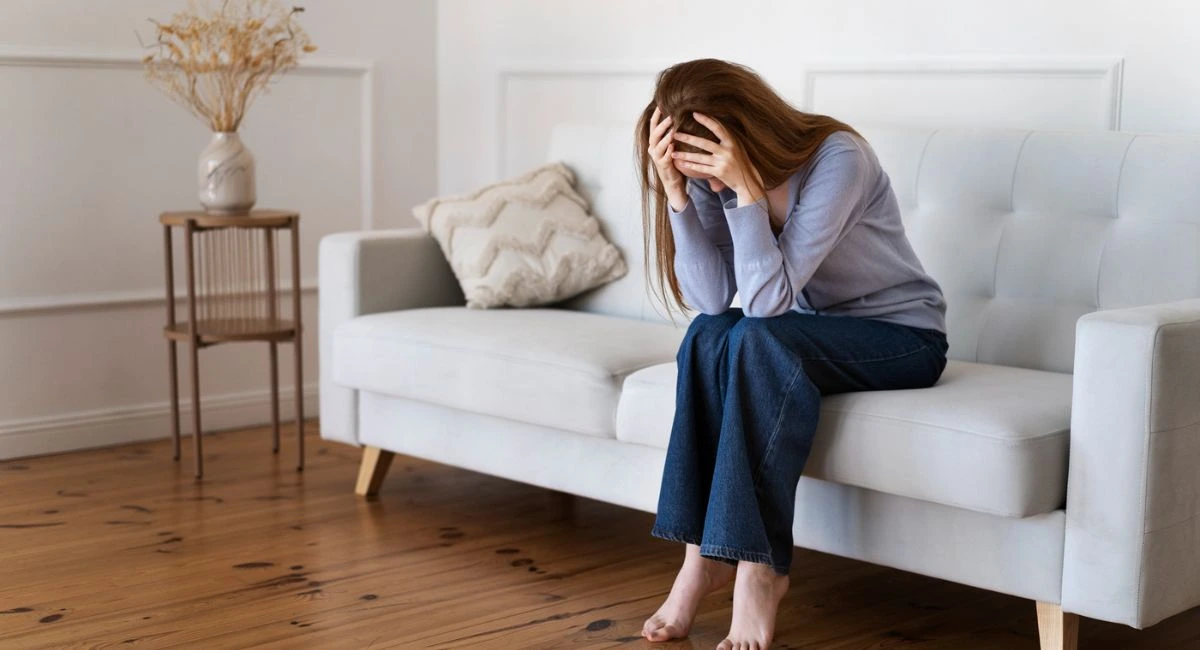
Anxiety among women rising faster than ever. While everyone experiences worry and stress at times, persistent anxiety that interferes with daily life is a sign of an anxiety disorder. Research shows women are nearly twice as likely to struggle with anxiety compared to men — mainly due to hormonal cycles, life transitions, biological factors and increasing pressures of modern life.
Below is a complete guide on why anxiety is increasing in women, key symptoms, and natural ways to manage anxiety, along with treatment options like therapy for anxiety,CBT (Cognitive Behavioural Therapy), and lifestyle changes.
Women often experience anxiety differently than men because of unique hormonal phases and emotional demands throughout life. These include:
Hormonal shifts during puberty can affect mood, confidence and stress levels. Young girls often face:
These factors make them more vulnerable to relationship anxiety, social anxiety disorder, and emotional overwhelm during teenage years.
Fluctuations in estrogen and progesterone throughout the month can trigger:
Some women develop PMDD (Premenstrual Dysphoric Disorder) — a severe form of PMS that brings depression, panic attacks, or extreme anxiety.
The perinatal period creates major hormonal, emotional, and lifestyle changes.
Prenatal anxiety may stem from:
Postpartum anxiety can occur within the first year after childbirth and may include:
During menopause and peri-menopause, many women experience:
These can easily trigger anxiety attacks, panic disorder, and persistent worry.
UK women juggle multiple responsibilities — career, family, household, finances and personal goals. Women also produce higher levels of stress hormones like cortisol, which increases the risk of:
Trauma, childhood neglect, job loss, divorce, and bereavement further raise anxiety risk.
Women often experience these symptoms more frequently than men and may also struggle with perinatal anxiety, menopause-related anxiety, and PMDD-related anxiety.
Understanding the specific type of anxiety helps in finding the right generalized anxiety disorder treatment or therapy.
Chronic, widespread worrying about everyday life.
Sudden, intense fear episodes known as panic attacks, including trembling, rapid heartbeat, sweating and breathlessness.
Extreme fear of social situations, judgment or embarrassment.
Women can also experience separation anxiety during relationship or life transitions.
Fear of conflict, abandonment, or overthinking relationship outcomes.
If you want ways to reduce anxiety naturally, here are proven, science-backed methods:
If natural remedies are not enough, many women benefit from structured therapy for anxiety and medical support.
Highly effective for panic disorder, GAD, social anxiety and relationship anxiety.
Helps reduce fear-based avoidance behaviour.
SSRIs and SNRIs are commonly prescribed for moderate or severe anxiety.
Women-only circles, online communities and mother support networks help reduce isolation.
Anxiety in women is deeply connected to hormonal changes, emotional roles and rising pressures of modern life. The good news is that anxiety is highly treatable. With proper support, a healthy lifestyle, therapy, and self-care, women can reduce anxiety, regain control and live calmer, balanced, fulfilling lives.


Where Women Inspire One Another Daily” reflects Women Connect — a supportive space where women share ideas, uplift each other, and grow together with encouragement and strength.