

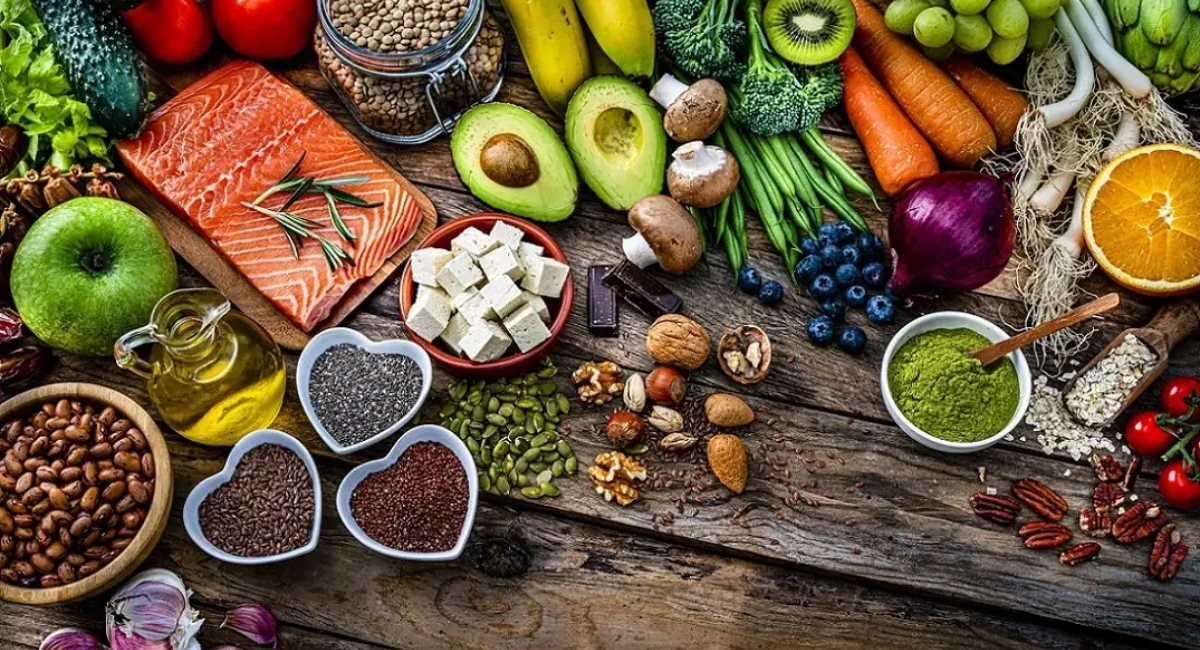
One of the most effective ways to support your heart and improve your general health is by eating the best foods for heart health. Eating healthy foods can help reduce cholesterol levels, help keep blood pressure levels under control, increase circulation, and thus allow the heart to function better. Based on the latest recommendations from experts in nutrition, this article describes the most healthful foods for the heart and circulatory system.
Eat : Choosing the right fruits and vegetables each day will help reduce your risk of heart attack. A wide variety of fruits and vegetables provides antioxidants, vitamins, and minerals that protect blood vessels. Leafy green vegetables like spinach and kale may reduce heart disease risk by 12%–26% compared to those who do not include leafy greens in their diet.
Eat fresh fruits such as:
Canned or frozen fruits/vegetables are good options too — just ensure they are low in sodium and do not contain added sugar or sauces.
Avoid : Canned fruits in heavy syrup and products with high fructose corn syrup.
Eat : Whole grains are beneficial for heart health because they contain fiber, which protects artery walls and supports healthy blood flow. Studies show that replacing refined grains (like white bread or pasta) with whole grain products significantly reduces the risk of developing coronary artery disease over time.
Avoid : Processed foods made with white flour — nutrients are removed and fiber content is extremely low.
Eat : Plant-based proteins like:
These foods provide fiber, antioxidants, and omega-3 fatty acids that reduce inflammation and protect heart function. When choosing meat, select lean and unprocessed options.
Avoid : Processed meats and full-fat dairy products.
Choose unsaturated fats — known as “good fats” — because they help lower LDL cholesterol and improve blood circulation. Oils from plants such as:
These oils support heart health and are excellent for cooking, marinades, and salad dressings.
Avoid : Any fat that is solid at room temperature like:
(A small amount of coconut oil or butter can be used occasionally for flavor.)
Eat : Foods close to their natural state such as fresh produce, plain whole grains, and natural nuts — which have fewer harmful additives like excessive sodium, sugar, and unhealthy fats.
Avoid : Highly processed foods that contain artificial ingredients and heart-damaging nutrients.
Eat : Excess sugar causes weight gain, inflammation, high blood pressure, and diabetes. Reduce sugary drinks, desserts, and packaged snacks. Choose fresh fruits to satisfy sweet cravings and read food labels to detect hidden sugars.
Avoid : Processed white sugar and chemically based artificial sweeteners. Added sugars increase the risk of type 2 diabetes, coronary heart disease, and weight gain.
Excess sodium causes fluid retention, raises blood pressure, and strains the heart. Use herbs, garlic, lemon, and spices to add flavor instead of salt.
Avoid : Packaged and restaurant foods — they are the biggest sources of excess sodium.
Too much alcohol increases cholesterol, raises blood pressure, and can damage the heart over time.
If you consume alcohol, follow the recommendations:
If you don’t consume alcohol, it is best not to start. Excess drinking raises the risk of atrial fibrillation and stroke.
Many people look for supplements to support heart health, but only certain vitamins may help improve cholesterol and blood pressure. Some supplements may not provide real benefits and could even be harmful.
Since health needs differ for everyone, it’s important to consult your doctor before taking any supplement — especially if you take medications or have a medical condition. Supplements should support — not replace — a heart-healthy lifestyle built on nutritious food, exercise, and proper medical care.
Reports from the American heart Association and the American collge of Cardiology state that more research is needed before recommending supplements for heart protection.


Where Women Inspire One Another Daily” reflects Women Connect — a supportive space where women share ideas, uplift each other, and grow together with encouragement and strength.